
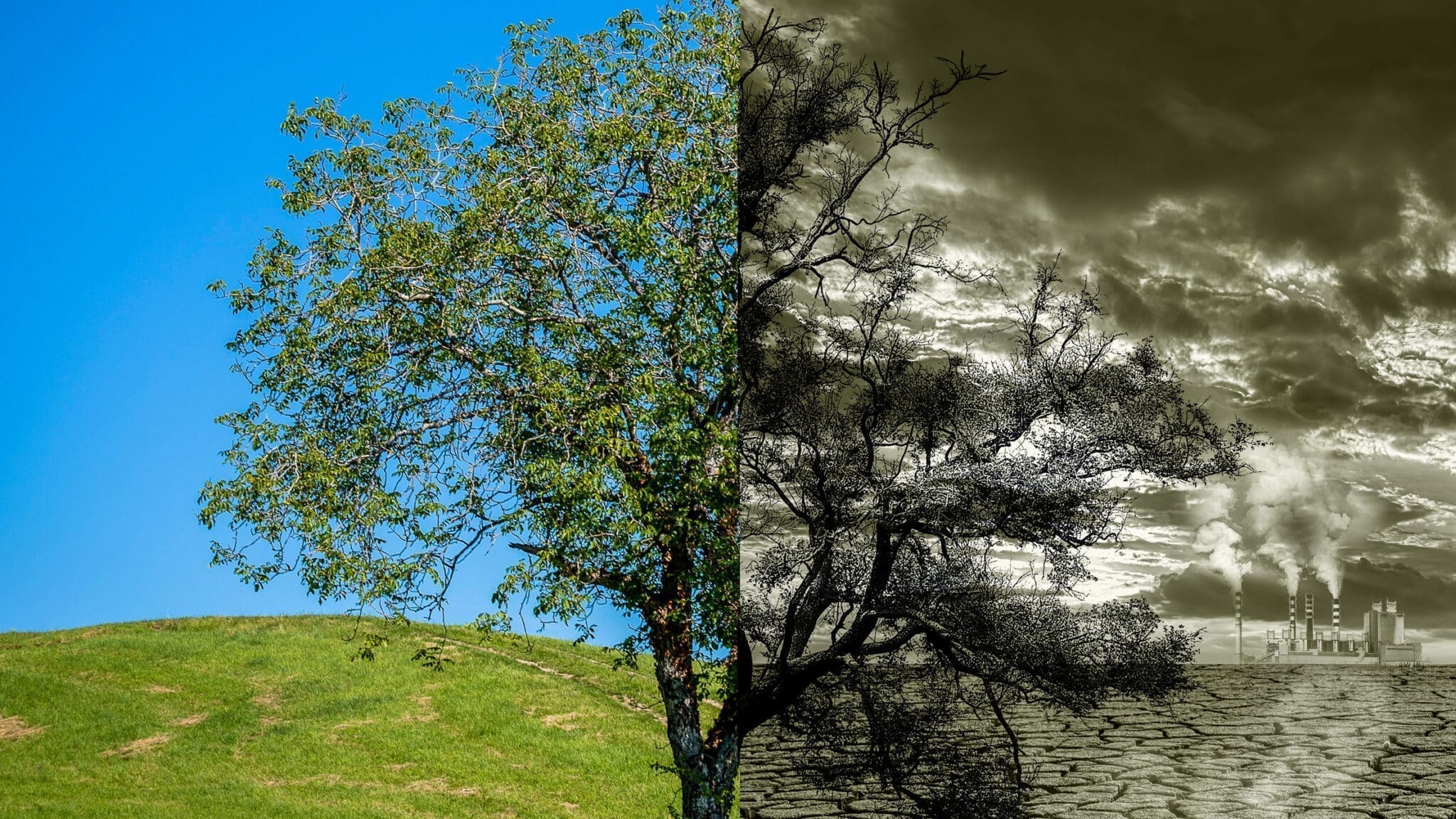
In Antalya, delegations from more than 190 countries are meeting at COP31 to negotiate the next steps on climate action. Conference President Murat Kurum made his priority clear early on: this is meant to be an “Implementation COP”. Fewer announcements, more delivery.
If you carry responsibility in a company, you know this problem from your own day-to-day work. The climate target is in the sustainability report, and the board has signed it off. Then comes the hard part: budgets, suppliers, buildings, vehicle fleets, people. Many of the conversations in Antalya revolve around exactly these questions. And they’re well worth putting on your own stage, too.
What’s different about Antalya
For the first time, two countries are sharing the presidency. Türkiye is hosting the conference and running the so-called Action Agenda, while Australia leads the actual negotiations. The US government hasn’t sent a delegation, and the signals from Brussels on new funding pledges were muted even before the talks began.
For businesses, the Action Agenda is the more interesting part. Each day of the conference has its own theme, from energy and transport to waste, cities, finance and skills. Read through the programme and one thing quickly stands out: almost any of those days could be the title of a corporate strategy meeting.
Kurum is calling on governments to clear the way for the private sector to go all in on electrification. Put simply: without business, nothing agreed in Antalya will actually happen.
Seven topics from Antalya your audience will want to talk about
1. The gap between targets and delivery
Committing to net zero by 2040 or 2045 is the easy bit. Working out what that means for next year’s investment plan is another matter entirely. A motivational pep talk won’t fix this. You need someone who can explain why organisations so often fall short of their own goals.
Prof. Dr. Christian Berg spent years working right at this intersection as Chief Sustainability Architect at SAP, and in his talks he asks the blunt question: why aren’t we more sustainable? Hans Rusinek researches work and transformation at the University of St. Gallen and shows how companies get from a mission statement on the wall to how they actually operate.
2. Energy: power prices, supply, competitiveness
Energy and transport have their own themed day in Antalya. For most companies, this isn’t an abstract climate issue but a question of cost. What will electricity cost in five years? Can the grid cope? And how does the growing energy appetite of data centres and AI square with climate targets?
These are exactly the questions Staffan Reveman tackles. He specialises in energy-intensive industries, energy policy and grid infrastructure. Timo Leukefeld, named an energy ambassador by the German government, shows how buildings can become power stations. And Jeremy Rifkin, a long-standing adviser to the EU’s leadership, explains how the infrastructure of entire economies is being rebuilt.
3. Zero waste: turning waste into a resource
Zero waste is another of the conference’s dedicated focus areas. For businesses, it stopped being about sorting the rubbish a long time ago. It’s about dependence on raw materials and new business models.
Thomas Rau is one of the leading thinkers on the circular economy. The architect developed the “light as a service” model with Philips and designs every building as a materials bank for the future. Victoria Neuhofer has founded several companies, including Damn Plastic and VEATZZ, and talks in very practical terms about how sustainable business models work day to day. David Katz built the Plastic Bank, a system in which plastic waste becomes a currency.
4. Adaptation: when the weather becomes a business risk
Another focus in Antalya is resilient cities and buildings. Heatwaves, heavy rain and drought hit sites, supply chains and employees alike. Countries haven’t yet managed to agree on adaptation, which is why the issue is back on the table. Experts expect physical climate risks to carry more weight in sustainability reporting before long, too.
Many people in Germany know Sven Plöger as the face of the national TV weather forecast. The meteorologist explains why our weather is becoming more extreme and what we can still do about it, without losing hope along the way. Oona Horx Strathern has spent more than 25 years as a trend researcher looking at how we’ll live and build in the future. Dr. Stefan Carsten, an urban geographer and futurist, looks at mobility and at how cities need to reinvent themselves.
5. Money and rules: climate action as a finance issue
Finance and trade get their own themed day. How does capital find its way into climate-friendly projects? What do investors expect? And how much effort goes into ESG reporting? For finance teams and leadership, these have long been everyday questions.
Beate van Loo-Born has served as COO of Climate Arc, an organisation that mobilises private capital for climate goals, and held leadership roles at UBS and the Swiss stock exchange SIX. Prof. Alex Edmans teaches finance at London Business School and shows how long-term business success and social responsibility go hand in hand. Sibylle Barden-Fürchtenicht, an SDG and ESG strategist, talks about putting ESG into practice. And Marga Hoek focuses on the shift from a linear to a circular economy and the role capital plays in it.
6. Skills: who’s actually going to deliver the transition?
Education, youth and green skills are on the agenda as well. It’s a topic that tends to get overlooked. Heat pumps, grids and solar installations don’t plan and build themselves, and without the right people, every climate strategy stays on paper.
Prof. Dr. Dr. h.c. Lothar Abicht researches the world of work, demographics and skills shortages, and describes decarbonisation as the fifth industrial revolution. Rebecca Freitag, a former UN Youth Delegate, brings the younger generation’s perspective and shows companies where they can make a real difference beyond greenwashing.
7. Geopolitics: climate action in a fragmented world
A split presidency, an absent US government, tight public budgets: COP31 shows very clearly how much climate policy depends on geopolitical power dynamics. For companies operating internationally, that means planning certainty only comes with a clear view of the world.
Christiana Figueres served as Executive Secretary of the UN Framework Convention on Climate Change from 2010 to 2016 and was instrumental in the Paris Agreement. Few people understand how these conferences really work as well as she does. Joschka Fischer, Germany’s former foreign minister, has written a book on climate change and the realignment of world politics. Anders Fogh Rasmussen, former Prime Minister of Denmark and NATO Secretary General, speaks about leadership and international negotiations.
What to take away for your next event
The questions on the table in Antalya will stay with businesses for a long time. Whether it’s a kick-off, a strategy day or a client event, it’s worth connecting the big themes of the climate conference with the questions your own audience is asking.
It doesn’t always have to be a classic keynote. A panel where energy, finance and leadership meet often creates more friction, and better conversations as a result. For a panel like that to work, you need a strong moderator. One option is Ana Maria Montero, a journalist and experienced host of international congresses with a focus on sustainability. Another is Marianna Evenstein, who makes complex topics easy to follow every day as a journalist at Deutsche Welle.
Not sure yet who’s the right fit for your event? Get in touch. We know our keynote speakers, presenters and moderators personally and we’re happy to help you choose: +41 (0)43 55 66 44 0 oder welcome@premium-speakers.com